

In This Article:
- Dismantling the “Outsourced Alibi”: Shifting from Blame to Accountability
- The Tourism Transparency Friction: Balancing Market Trends with Climate Realities
- Multi-Dimensional Impact: Reporting Where the Money and Meaning Stick
- The Action Plan: How to Build a Culture of Radical Honesty
- The Trust Transformation
- Resources to Support Your Work
In 2020 and 2021, travel brands faced the trifecta of tourism’s near economic devastation, the climate impact of operations, and a raw reckoning regarding social justice. With the world at a standstill, there was time to re-evaluate how tourism was going to reappear on the global stage, and many companies committed to “building back better.” They drew up climate action plans, posted black squares to social media, and put a strategy in place to measure and report on impact.
At the time, these carbon and equity commitments aligned well with the UN’s 17 Sustainable Development Goals, which offered a blueprint for action and a sizable timeline for action. After all, 2030 was still nearly a decade away.
How quickly time passes and how drastically the global scenario has shifted: We’re now less than four years out from 2030, many global targets are completely out of reach, governance structures designed to keep sustainability on track are falling apart, and corporate panic is setting in.
At the same time, there is a yawning trust gap between companies and consumers, even and especially in tourism, which is a large investment with a lot of moving parts. Flawless corporate statements and feel-good language no longer convert potential clients. In an era where generative AI can write a generic sustainability policy in seconds and customer service is outsourced to bots, travelers are seeking human reality and the raw, unpolished truth.
To put it bluntly: Transparency in tourism has never been more important – not as an administrative box to check, but as an active, inside-out alignment of marketing, storytelling, and actual on-the-ground operations. This relates to climate goals, sustainability plans, socio-economic impact, supply chains, and DEI commitments.
Embracing radical transparency across your travel business has always been intimidating, but it is essential for businesses operating today – and it benefits your company in two meaningful ways.
First, committing to transparency means you are making a commitment to your paying customers. You acknowledge they have agency and lots of choices, and that you trust them to use the information you provide to help make an important decision not only about where to go but what and who their investment supports.
Secondly, embracing transparency holds your company accountable for tracking progress and reporting on your commitments in a meaningful way. So many companies are paranoid about being perfect, but companies – like people – are imperfect. They make missteps, and they occasionally fall short of their goals.
Businesses are evolving ecosystems impacted by real-world circumstances. By being transparent, you invite consumers to be part of your journey. Your company, in turn, helps them understand the positive and negative impacts they have when they choose to invest in what you have to offer. Communicating about those shortcomings while still showing some progress and/or plans for pivoting is far more appealing to conscious but trust-weary consumers than a company that avoids communicating – or worse, greenwashes or misrepresents their actions.
Dismantling the “Outsourced Alibi”: Shifting from Blame to Accountability
Many travel companies committed to sustainability showcase accountability through impact reports. While these reports have the potential to comprehensively explain impact, they are increasingly being used as public relations buffers. Brands are “embracing transparency” by admitting failure, but they’re largely outsourcing blame to macro-level systems.
For example, many tour operators acknowledge they haven’t hit carbon reduction targets but they blame this on the slow infrastructure scaling of sustainable aviation fuels (SAFs) or local government delays. Instead of noting the shortcoming and then altering their own internal itineraries to mitigate flights, they often adopt a dismissive, “can’t be helped” attitude, then go on with business the following year without any meaningful changes.
What is radical transparency in tourism?
Radical transparency is the practice of moving past sanitized PR data to openly report both the successes and failures of a brand’s operational footprint, thus ensuring marketing narratives accurately mirror ground-level community realities.
A “yes/and” framework can kickstart a remedy to this defensive corporate reporting problem. Adopting an action-oriented mindset means holding both operational shortcomings and forward-moving solutions in the same hand. It acknowledges missed targets and holds travel brands accountable for doing something about it. Consider the difference in these two statements, one that leans into corporate defense while the other embraces radical honesty with action:
- “We didn’t hit our carbon reduction goals because the aviation sector hasn’t scaled up SAF production within the timeline we anticipated.”
- “Yes, we missed our carbon reduction goals this year because we relied too heavily on domestic air transfers. And, we are actively re-engineering our regional itineraries to replace short-haul flights with overland rail and local transport networks to correct this path by the end of this year.”
The Tourism Transparency Friction: Balancing Market Trends with Climate Realities
For the last couple of years, tourism conferences and trade publications have been dominated by conversations about artificial intelligence (AI). The message has been loud and clear: Get on board or be left behind. For any hesitant travel brands, there’s an immense pressure and inherent sense of fear of missing out if automated AI systems aren’t adopted for scheduling, customer management, and content creation.
Yet, using AI comes at an immense cost to the environment and marginalized communities, in particular. The massive, often invisible energy and water data costs associated with processing large-scale AI models – and the inequitable impact of data center construction – is a hurdle many travel brands didn’t consider when drawing up climate commitments years ago.
This brings up a pinch point the tourism industry must address. Brands cannot claim absolute operational transparency if they adopt tools to protect their market share while intentionally sweeping the added carbon weight of those digital tools under the rug to keep the optics of their environmental metrics on track.
Not only are travel brands grappling with this discrepancy internally, but there is also a tendency to avoid this friction at an industry level. A case in point: At a sustainable tourism conference I attended just over a year ago, after a day’s worth of content on supporting local communities, environmental initiatives, and responsible practices, the closing keynote speaker advised that every attendee should be using ChatGPT as their default search engine. How can travel companies adequately adapt and remain accountable when this is the messaging they receive?
To be clear, this is an operational choice: Using automated content creation tools or customer service bots are choices with massive environmental footprints and they displace connection with and support for local people – the very heart of what makes the tourism industry thrive.
Multi-Dimensional Impact: Reporting Where the Money and Meaning Stick
One of the reasons carbon emissions remains a hot topic when it comes to sustainability is because the environment often takes the spotlight in comparison to social and economic issues. Carbon emissions are relatively easy to benchmark and report, and many agencies exist to do nothing but assist with carbon calculations and provide guidance on cutting a company’s footprint. Environmental sustainability presents more visible cues, like trash build-up and excessive plastic use, whereas issues like housing shortages and cost of living are largely out of a traveler’s purview. Additionally, while there is a growing understanding of sustainability beyond the environment, it’s still challenging for travelers to know where their money goes when they spend it.
The continued hyper-focus on the environment as it relates to sustainability has created a harmful cycle: Many travel brands neglect transparent tourism impact reporting on social and economic equity, restricting travelers’ understanding of the holistic nature of sustainability. This means there’s less accountability for these travel brands to meaningfully measure and report on social and economic equity within their business models.
While measuring and mitigating climate targets is by no means simple, it is “safe” because it’s quantitative and expected. Additionally, as seen by the tendency to shift the blame in the name of transparency, it’s also been accepted as “good enough.” However, it’s also common to see brands setting low, easily achievable benchmarks – actions they would have taken anyway in the due course of time or because of new governmental regulations. Setting these goals and calling them a “win” to appease consumers or stakeholders is a subtle, defensive form of greenwashing that doesn’t require the work needed to meaningfully change harmful business practices.
All of this surfaces some hard questions: What does transparency look like when travel brands truly embrace holistic sustainability as part of their core values? And, how to avoid greenwashing in an attempt to please potential travelers?
To fully appreciate the scope of this work, we must look at transparency through a multi-dimensional lens – expanding the gaze from traditional reporting to encompass the full ecosystem of operations.
Environmental Stewardship
Cutting carbon emissions is at the heart of environmental sustainability, but it’s not the only thing companies should be measuring, managing, and reporting on. Tourism requires an immense amount of natural resources (water, electricity, etc.), creates a lot of waste, and causes a lot of damage to land and marine environments if not appropriately managed. A comprehensive sustainability plan considers – and reports transparently on – all of these aspects of environmental stewardship.
Examples of environmental transparency include:
- Carbon labels shared alongside tour descriptions, including information about how emissions are calculated, such as those published by Adventure Tours UK and Much Better Adventures. This information empowers travelers because they can take it into consideration (along with departure date, cost, etc.) when booking a trip. Additionally, publishing carbon labels works as an internal motivator: Once companies have a baseline measurement – and the world knows about it – there is an incentive to find ways to reduce a carbon footprint.
- Making comparisons about resource usage to ease understanding. At Mana Earthly Paradise, for example, there is a clear delineation between how much locals versus guests use. This is also enhanced with explanations of how the company minimizes resource use overall.
Economic Integrity
“Employing locals” is one of the easiest claims travel companies make in justifying their benefits. Yet, employment does not necessarily equal just compensation, nor does it mean the ripple effects benefit the local community. Economic leakage – the phenomenon where tourism revenue leaves the destination and benefits multi-national corporations rather than staying in locals’ hands – can be significant. In fact, tourists might never realize the money they spend doesn’t benefit the local community at all. Community-centric travel brands should use clear, accessible asset maps that show travelers the precise percentage of their dollars that directly fund host wages, local suppliers, and regional community initiatives.
This can look like:
- A specific itemized breakdown of how funds are directed. Fogo Island Inn debuted its Economic Nutrition Label many years ago, which clearly notes where every tourist dollar goes. Since then, other community organizations have adopted this transparent reporting.
- An impact scoring mechanism displayed alongside tours. The Ripple Score, developed by G Adventures in 2018, is a mechanism measuring how much money stays with local businesses on each tour. It’s an ambitious and ongoing project, last updated April 2025, but is one of the few initiatives actively reporting on economic impact.
Operational Honesty
Sustainability commitments should be challenging but generally achievable with concerted effort. Unfortunately, many travel companies are quick to pass the blame for shortcomings onto external forces (like the aforementioned lack of scaling for SAFs) without closely scrutinizing internal actions or making operational changes. Companies committed to a strict sustainability journey are willing to do both of these things, while transparently sharing their actions.
This looks like:
- Pulling back the operational curtain. Blue Apple Beach acknowledges that one of the best ways to demonstrate its regenerative commitments is simply to show people what that looks like with on-site, back-of-the-house sustainability tours. They aren’t sexy or postcard perfect, but they’re the real deal.
- Acknowledging shortcomings while still taking action. Terre Boréale, for example, openly addresses its use of floatplanes and helicopters. The company doesn’t hide the carbon cost or blame the aviation sector. Rather, it transparently reports on the reality of the geography, tightly restricts guest capacities, and uses that unfiltered truth to foster immediate environmental empathy in travelers.
Social Impact Frameworks
Tracking the social impact of tourism can be particularly tricky. There’s no immediate measurement of impact, and quantitative measurement isn’t even necessarily possible. Further, it’s impossible to separate tourism’s contribution to a societal fabric from other influences. Nonetheless, travel companies truly committed to the foundational structure of societal well-being are better able to point to the ways in which their presence positively contributes to a place.
Examples of this in practice include:
- Unseen Tours’s Theory of Change, which demonstrates how booking an experience directly dismantles localized social challenges. It is clear to anyone on a tour how their presence impacts the company’s guides, the local community, and the greater tourism industry.
- Backing up commitments (the “why”) with actions (the “how”). For example, Community Homestay Network details the organization’s guiding values, but then breaks down in detail how the system works to deliver on those values.
The Action Plan: How to Build a Culture of Radical Honesty
Not so long ago, being transparent made a company stand out. Today, transparency is not a nice-to-have feature but something conscious consumers, in particular, expect brands to demonstrate. This also means that weak attempts to “show” transparency without actively addressing shortcomings are increasingly being scrutinized and called out.
Hold your own travel brand accountable with these actions:
- Perform an inside-out integrity audit: Interrogate whether your public-facing messaging aligns with internal structures. For example, are you celebrating local empowerment on social media while your internal staff compensation or supplier contracts tell a different story?
- Commit to reality-based storytelling: Move away from pristine, unpeopled landscapes that serve as simple backdrops for consumer holidays. Weave the real challenges, local voices, and ongoing community-led solutions into your core narrative.
- Give failures equal weight: When publishing impact statements or newsletter updates, present your missteps, missed benchmarks, and strategic pivots with the exact same prominence, clarity, and weight as your highest wins.
- Ask “so what?” when evaluating impact: In addition to sharing your company’s accomplishments and activities related to community involvement, get honest about why – and even if – it matters.
The Trust Transformation
As the industry leans further into community-centric, impact-driven intentions, it’s important to remember that a truly resilient, regenerative tourism model cannot survive on the fragile illusion of perfection. True destination stewardship belongs exclusively to the travel brands possessing the courage to tell the complete story, fail out loud, change course even when it’s hard, and remain stubbornly accountable to the communities they serve.
Are you ready to take action?
Start with these resources.

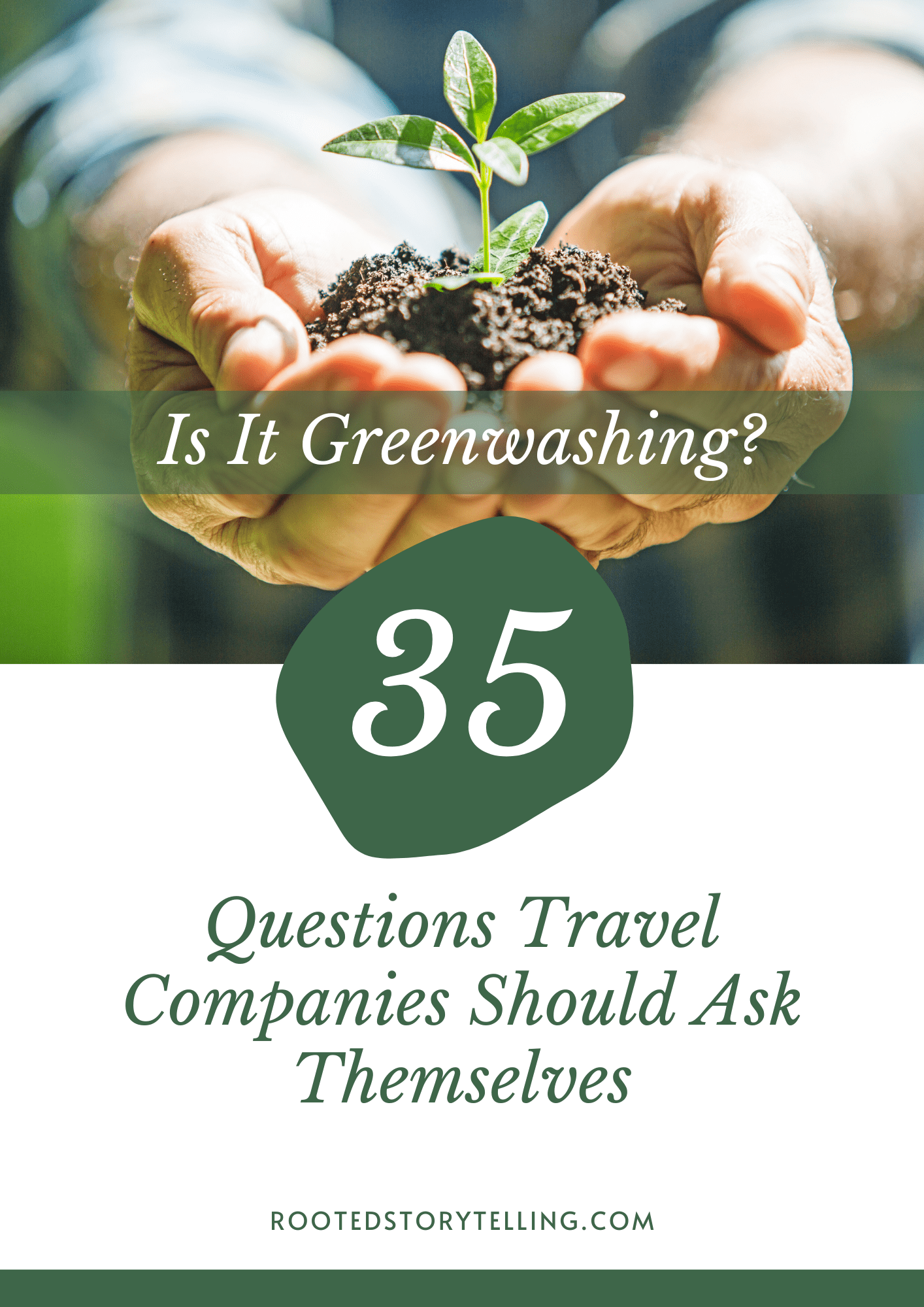
Resources Beyond Rooted
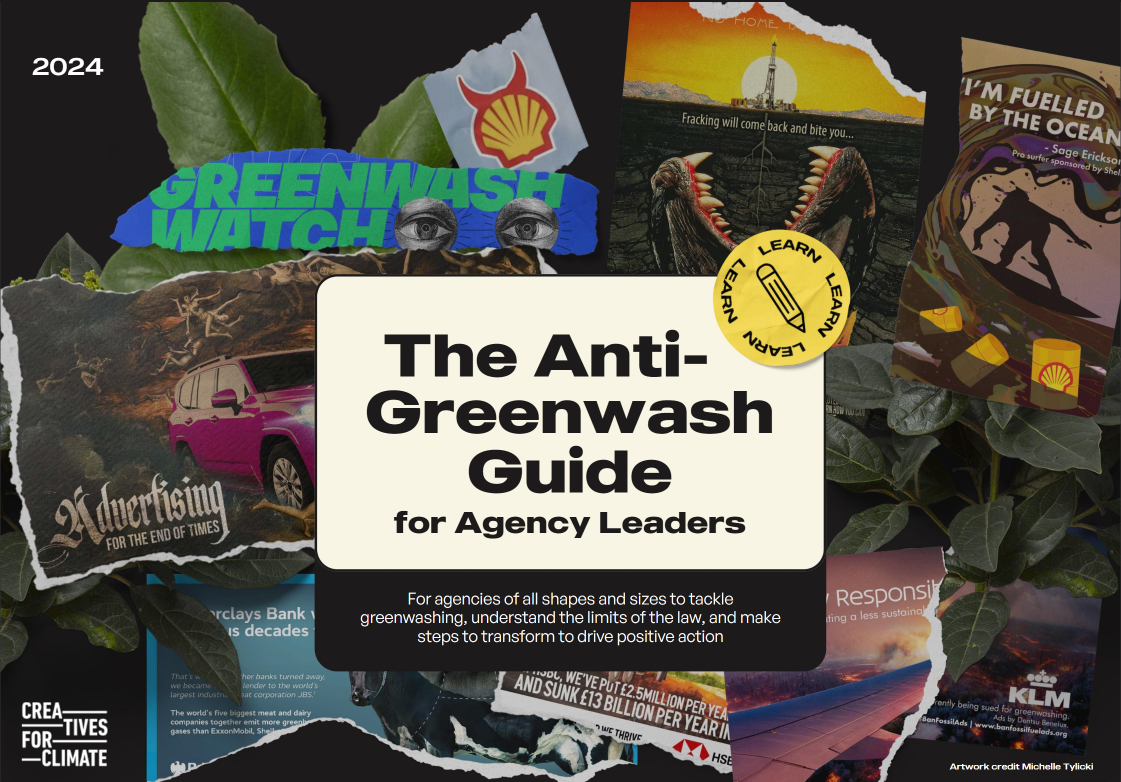
GUIDE
The Anti-Greenwash Guide for Agency Leaders
Creatives for Climate
An important resource for anyone developing sustainability-related messaging, this guide explains what greenwashing is and how to avoid it with a helpful "how not to greenwash" checklist. It also contains several case studies illustrating what greenwashing looks like in practice.
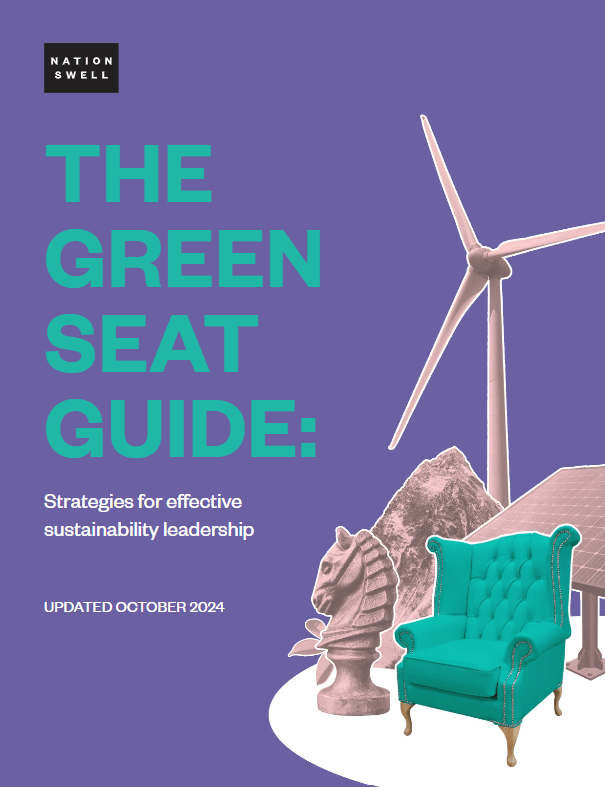
GUIDE
The Green Seat Guide
NationSwell
Practical guidance from leaders working in sustainability roles on crafting strategies, building teams, and co-creating and collaborating with internal stakeholders. This comprehensive guide includes several accessible and practical tools as well.

RESOURCE
Discover the Carbon Footprint of Your Website
Kakadu Creative
Most people are surprised by how much carbon a website consumes, but knowing is the first step to reducing. This company offers a free carbon audit for websites.