

In This Article:
- The Complex Reality of Domestic Tourism
- Why Domestic Tourism is a Winning Proposition
- Reimagining the Playbook with Creative Domestic Tourism Campaigns and Infrastructure
- The Action Plan: How to Operationalize Hyper-Domestic Tourism
- Resilient Tourism Doesn't Require Far-Flung Travel
- Resources to Support Your Work
As tempting as it is to lean into the idealized story of smiling travelers eating gelato in a laidback Italian piazza on holiday, the reality is a lot different: Inflation-weary tourists jockey for space with jostling crowds as host communities reach a breaking point with overtourism – all while that sticky ice cream melts away thanks to soaring temperatures.
Just five years ago, domestic tourism surged as a pandemic necessity. And while tourism has stabilized from that perspective, the past few years have exposed a deeper flaw in how we view local travel. Today, the more attractive foreign visitor is prioritized while domestic tourism is treated as a back-up option rather than a primary pillar of economic and social resilience.
This is a mistake. The extractive pursuit of the international, high-spend traveler has blinded the tourism industry to its most steadfast and values-aligned asset: the domestic and local traveler. At a time when economic volatility, climate disruptions, and deep local resident backlash define tourism, reclaiming domestic tourism isn’t a fallback strategy or a “budget” alternative. By focusing on deep community engagement, DMOs can invest in a sound economic strategy while empowering local residents and regional visitors as fierce protectors and key ambassadors of the places they call home.
The Complex Reality of Domestic Tourism
As business-driven entities, DMOs understandably want to lure travelers who will spend generously and encourage others to do the same. Yet, the economic, environmental, and geopolitical reality facing communities around the world also highlights key issues related to domestic travelers and investment in regional tourism.
The Affordability Paradox and the Rise of the Backyard Dupe
Once upon a time, domestic travel was the “budget-friendly” fallback when people couldn’t afford to travel abroad. Today, domestic inflation (including dining prices, room rates, resort fees, and gas) has made domestic travel far more expensive.
Because of increased domestic costs, DMOs aren’t just competing with nearby destinations. Now, they are also in competition with accessible flights and favorable exchange rates. While “destination dupes” originally emerged as a way to find budget-friendly and less-crowded alternatives to overvisited global hotspots, today’s regional travelers are applying this mindset directly to their backyards – evaluating whether the financial investment of staying local genuinely matches the return of a short trip abroad. For example, a four-day domestic getaway in Chicago might cost $350 per night in a hotel with meals tipping the scales at well over $100 each. At that rate, an inconvenient flight to a less expensive international destination becomes a legitimate alternative.
This perception requires DMOs to overcome the hurdle of portraying local travel as a “rip off” or an experience less worthy of discretionary income. They must prove that spending hard-earned money at home is a valuable, high-quality opportunity, even if the cost mirrors a short trip abroad.
Navigating the Friction of Overtourism vs. Under-Tourism
When destinations are heavily marketed, it attracts an influx of both regional and long-distance travelers. With everyone funneling toward the same hyper-localized spaces, like popular beaches, it creates an infrastructure choke point.
This creates two distinct and conflicting problems: First, local residents are displaced in favor of out-of-town travelers. The influx of Airbnb and other short-term rentals has notoriously prioritized visitors to the detriment of residents, who lose access to affordable, long-term housing. Further, they can’t find parking at the neighborhood beaches, are crowded off the popular hiking trails, and struggle to afford the inflated prices geared toward affluent visitors. The very people who are prime destination ambassadors begin to hate tourism because of disruption to their daily lives.
Secondly, as a result of these targeted marketing campaigns flooding the famous cities and gateway towns to popular natural wilderness areas, communities just a short distance away are starving for economic activity. Using a few star features to attract long-haul visitors actively contributes to overtourism and local resentment. Resident pushback against short-term rentals and rising costs show that domestic tourism must be community-centric to avoid alienation.
Cultivating the “Community Impact” Mindset
When people picture “community tourism,” they often picture rural places, but community tourism can be rural, suburban, or urban. It’s not the infrastructure that matters, but the integration of community resources, stories, and partners in tourism experiences in a way that benefits local people.
When domestic tourism efforts meaningfully reflect community impact, there is a circular win-win opportunity. Domestic travelers behave like locals because they are locals. They care about where their money goes, who benefits, and how. However, if tourism developments cater to outsiders and feel overly commercialized or exploitative of the workforce, local travelers will look elsewhere because that snub is a personal offense.
What is hyper-domestic tourism?
Hyper-domestic tourism is a community-centric travel model that focuses on engaging local and regional residents, utilizing place-based storytelling and digital infrastructure to keep economic benefits circular while fostering long-term destination stewardship.
Why Domestic Tourism is a Winning Proposition
Placemaking and local pride are essential ingredients for developing a resilient and sustainable tourism strategy. Investing in efforts that benefit local residents ultimately benefits visitors as well. However, taking this one step forward and extending efforts so that regional and domestic travelers come to think of their “home” as a great place for a getaway unlocks opportunities most DMOs haven’t considered.
Economic Stability vs. Extractive Leakage
While some international visitors consider the impact of their travel decisions, many others will opt for comfort and familiarity. As a result, there’s a higher chance for inbound foreign tourism to suffer from economic leakage (money going to foreign hotel chains, airlines, and booking platforms) than domestic tourism, when some of the uncertainty is eliminated.
To be sure, proximity doesn’t automatically equal empathy. Locals can still display extractive behavior, so it’s up to DMOs to use storytelling and digital infrastructure to actively cultivate that hyper-local, community-centric mindset rather than assuming it already exists. Nonetheless, with insider knowledge of and care for the area, domestic travel is more likely to keep money circular and local. When money is invested in local businesses, especially those owned by women, it is more likely to be reinvested back into the community because business owners are active community members also spending money in the place they call home.
Natural Values Alignment
Out-of-town visitors might deliver higher monetary value, but it may take more effort to bring them up to speed on the values and ethics that shape a place. On the other hand, domestic travelers are intimately familiar with the guiding principles, resource constraints, and cultural nuances. Their needs are more immediately aligned because they live within the local infrastructure on a daily basis, and any local limitations are simply part of the lived-in reality of the region.
Destination Stewardship and Civic Pride
When locals and regional neighbors are invited to engage deeply with a destination, it builds community resilience. Someone who cares about the place they live becomes an ambassador committed to caring for and protecting it from environmental and social degradation. As word-of-mouth ambassadors, they also become powerful allies in supporting community infrastructure that benefits both residents and visitors.
Distance Doesn’t Equate to Meaning
Going far from home is part of the appeal of traveling, but the internal, personal journey matters too – and that doesn’t require traveling long distances. Many people actually haven’t done a great job of visiting their own neighborhoods through the lens of a traveler, which means there’s a lot of opportunity to see a familiar place with a new perspective. Having new experiences and encounters – the reasons people undertake physical journeys – often ignite curiosity, awe, and a sense of wonder, all of which enhance the quality of people’s lives even without going far from home.
Reimagining the Playbook with Creative Domestic Tourism Campaigns and Infrastructure
The fierce travel restrictions of the COVID-19 pandemic are behind us, but the volatility of the world remains a very real concern. As enticing as inbound international travelers are, DMOs shouldn’t let their attention stray from the value local travelers and regional tourism offer. Thinking creatively, DMOs can embrace the concept of space, novelty, local pride, and new ways to tell stories to flip the tourism script so it is better oriented for domestic tourism.
Several destination campaigns (past and present) offer insight on strategies and solutions.
Mitigating Overtourism Through Gamified Neighborhood Dispersal and Micro-Business Visibility
Generic “visit (destination)” campaigns tend to lead people to the same popular places – places with which local residents are intimately familiar. Tapping into tech advances can help disperse domestic tourists toward unexpected spaces, undervisited neighborhoods, and local businesses – and to become travelers in their own backyards.
Examples include the following:
- The Nevada Department of Agriculture, Make in Nevada, and Travel Nevada created the free Nevada Craft Beverage Passport as a way for residents to collect stamps and win prizes as they traveled the state visiting craft beverage destinations. The program, which has existed for several years, supports the state’s agricultural and tourism industries as well as small businesses.
- The Elgin Area Taco Trail met Chicago suburbanites where they were while also supporting local Hispanic businesses with a digitized taco passport. As diners collected “stamps” for their passports, they also earned rewards and were entered into prize drawings.
Combatting Climate Volatility with Real-Time Data
Instead of ignoring disruptive weather patterns and micro-season collapse, some destinations are addressing it head on with responsive pivots that underscore economic resilience. While this information is helpful for all travelers, domestic tourists are in a position to respond immediately to climate-related shifts in their own backyard.
Consider this example:
- To attract regional visitors from neighboring states, Visit Maine used a data-driven CTV (connected TV) campaign reflecting real-time weather reports. The ads reflected timely, relevant weather conditions that made visiting Maine’s coastal towns and outdoor activities particularly appealing – perfect for last-minute road trip visits.
Highlighting the Appeal of Mid-Sized Regions with Redirection
The tried-and-true narrative might not cut it for locals, so use domestic tourism to unravel the quirky, complicated intersections of people, culture, and place that have helped shape a destination’s uniqueness. Just when locals think they’ve seen and done it all, these innovative campaigns make residents think again. Whether these offer new ways of presenting a lived-in narrative or presenting a local “dupe” to a hotspot, these campaigns offer people to take another look at places they know well.
Successful campaigns include the following:
- In 2020, New Zealand launched its “Do Something New, New Zealand” campaign, which encouraged locals to choose new activities or visit new places to keep its tourism industry alive when borders were closed. It was wildly successful, and a great example of the kind of campaign that any destination can use at any time to reinvigorate local tourism.
- When prices, in particular, run locals out of town, nearby destinations can take advantage of messaging that positions them as affordable alternatives for regional travelers. For example, Carbondale, Colorado, is just 30 miles from the notoriously expensive Aspen, but its affordable outdoor activities set against the same Rocky Mountain backdrop align it with a “skip the crowds, keep the mountains” narrative.
Engage Residents as the Ultimate Insiders
For far too long, DMOs have marketed to outsiders while ignoring the people who actually live in the area. To activate residents as place-based ambassadors, DMOs must co-create narratives with them and for them.
Consider the following:
- The Populus is a sought-after boutique hotel in Denver, Colorado, because of its sustainability ethos, but the property doesn’t leave locals behind. Colorado residents can take advantage of a staycation with discounts any day of the week as well as resident-specific benefits.
- Destination Canada’s 2021 two-pronged domestic tourism campaign focused on people rather than places. The “Heartbeat of Canada” video featured 10 Canadians working in the tourism industry and reflected an optimistic vibe set against a harmonious “heartbeat” of sound while a postcard campaign encouraged residents to download, write, and mail a message to someone they love on the back of a branded Canadian postcard.
- Amsterdam has been a leader in dispersing tourism and enacting policies that prioritize locals over visitors. During the lockdown, this included the “I Live Here” campaign, which folded locals’ experiences, opinions, and desires into the city’s greater tourism campaign.
The Action Plan: How to Operationalize Hyper-Domestic Tourism
The long-distance traveler will probably always be like the shiny toy that every destination seeks to attract. But turning a more significant amount of attention toward domestic tourism offers an economic buffer in the face of global volatility while keeping local residents front and center.
Subsidize the Floor, Not Just the Ceiling
Audit partner-benefit programs and digital infrastructure for opportunities to build digital passes incentivizing regional travel, such as local culinary trails or neighborhood heritage maps. These low-barrier digital getaways guide regional foot traffic to independent, neighborhood-level suppliers that serve as the backbone of a community.
Transition from Content Creators to Community Advocates
As appealing as a fly-by celebrity appearance or influencer endorsement might be, they don’t have the deep place attachment and local knowledge neighborhood creators and local nano-influencers have. Commission local enthusiasts to co-create raw, real stories that treat residents as trusted community historians and cultural protectors. Empower them to teach regional visitors how to move through spaces with deep curiosity and civic humility rather than treating their neighborhoods like generic weekend playgrounds.
Develop Intra-Region Dispersal Systems
If geographic choke points are a problem, implement a tiered or localized fee structure and data-driven redirection incentives so local residents aren’t left out. Encourage visitors from everywhere to take advantage of under-visited spaces that haven’t benefited from tourism in the past, which will also alleviate some of the stress on heavily visited attractions.
Build a Flexible, Climate-Resilient Marketing Plan
Abandon rigid marketing strategies that succinctly stratify the year into “seasons.” Marketing departments must be agile and capable of shifting messaging in real-time based on live environmental situations. Set up advertising triggers linked directly to live meteorological data, so when a destination encounters an unpredictable heatwave, wildfire smoke, or a lack of winter snowpack, it can instantly pivot. For example, any imagery depicting specific weather conditions – such as skiing – can dynamically be swapped out for indoor artisanal workshops, regional museums, or year-round restaurants, shielding the local hospitality workforce from sudden, devastating cancellation spikes.
Resilient Tourism Doesn’t Require Far-Flung Travel
The tourism industry will always be in a state of flux. Sometimes it will be flush with movement and opportunity, and at times it will come to a standstill. But one thing will remain: The people who live in and call a place home. Given the state of the world today, we can’t afford to forget them.
As tourism continues to evolve, it will be necessary to constantly re-evaluate and reimagine how it exists and serves people and local communities. Is travel only about encouraging people to move from one place to another? Or is there an opportunity to broaden the definition of travel and remember that even meaningful journeys can take place without going far from home?
Are you ready to take action?
Start with these resources.

Resources Beyond Rooted
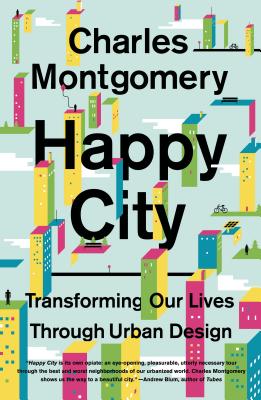
BOOK
Happy City: Transforming Our Lives Through Urban Design
Charles Montgomery
A highly readable, research-based explanation of how and why high-density, walkable cities make people holistically happier and healthier.

REPORT
Life at Home Report 2023
IKEA
Based on a decade of research and conversations with more than 250,000 people in dozens of countries, IKEA’s expansive report highlights the feelings people have about their homes. This surfaced eight essential needs, three big tensions, and three possible futures as we consider this place called “home.”
GUIDE
Placemaking: What if We Built Our Cities Around Places
Project for Public Spaces
This entry-level guide offers insight into what placemaking is, why it matters, and how to begin the process of creating great community spaces.