
Recent Stories
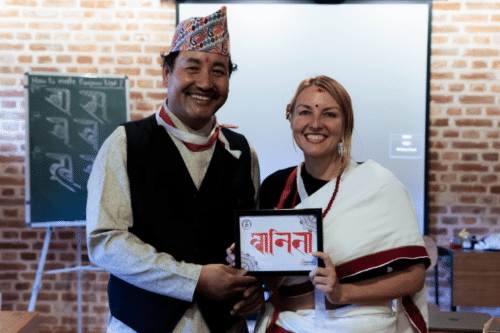
A three-hour Ranjana Lipi workshop in Kirtipur, Nepal, balances cultural tourism, local heritage preservation, and community-led revenue sharing.
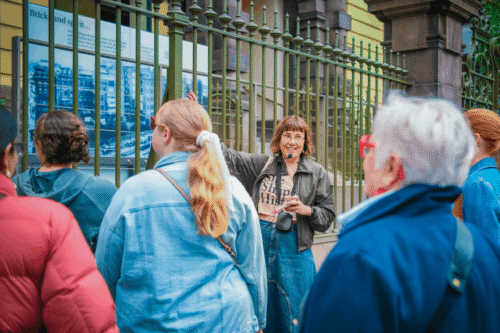
From NYC to Prague, independent tour operators are using creative storytelling to combat female invisibility in public spaces and engage travelers.
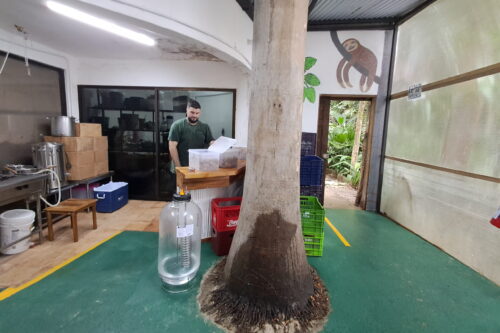
Facing supply chain failures and plastic waste, a Costa Rican resort built an in-house Drinks Laboratory. Here is how the localized response works.

People need to eat, so integrate food-related social enterprises, hands-on social impact projects, and waste-free efforts into experiences.

Integrating social enterprises into travel experiences surfaces learning opportunities while using tourism to support community well being.

Supporting and visiting non-profit organizations while traveling financially supports them while offering unique learning opportunities.

A lot of travelers care about sustainability and they’re doing something about it. But they’re waiting for the tourism industry to step up.

Companies’ customers, clients, and employees are people first — and people expect brands to act with integrity and responsibility.

Tour companies are touting ways for people to “give back” while traveling, but it’s not clear what that means or if it serves communities.

When travelers have frictionless pathways for acting responsibly, they can take an active role in mitigating tourism’s harm.

Too often we dwell on problems, but when travelers learn about solutions, it creates an opportunity for meaningful action and engagement.

Travelers are already engaged in water activities like kayaking. Tour companies can use those opportunities to activate climate action.