

This article was originally published in June 2020. It has been extensively rewritten and republished to reflect the present day.
Browsing traditional travel marketing, you’ll find messaging that encourages people to “get away” and “forget about” their day-to-day grind. Travel may be positioned as an escape from people, but the truth is its real power lies in moving toward them.
It’s tempting – and even easy – for travel brands to turn places into aesthetic backdrops and experiences into living panoramas. Offering travelers a stress-free getaway devoid of complexity is an appealing proposition. But far more interesting and compelling – not to mention respectful and appropriate – is the opportunity to find ways and spaces for people to come together and connect with each other in meaningful, shared ways.
Travelers are certainly an important part of the tourism equation … but they are only one character in this story. Travel brands, DMOs, and tour operators that move away from isolating “guest-first” bubbles and make space for genuine, organic connection between travelers and host communities help strengthen the threads that hold us all together.
More Alike Than Different: Breaking Down the “Other”
What is a tangled narrative in travel storytelling?
A tangled narrative is a human-centric travel framework that views trips not as isolated consumer escapes, but as the intentional crossing of life stories between travelers and host communities. By moving away from staged performances and frictionless bubbles, travel brands can foster organic, reciprocal person-to-person connections rooted in shared humanity.
More than 8 billion people live on Earth. That’s 8 billion different histories and trajectories through life. From the equator to the polar regions, the richest economies to the poorest, and the densest spaces to the most sparsely populated, every aspect of a person’s life contributes to their unique perspective and story. With 8 billion people on the planet, it is easy to think about people as numbers and compartmentalize everyone in their own isolated bubble: They belong there. I belong here.
But when we make room for real conversation and connection, our collective identity surfaces. Beneath these cultural nuances, language barriers, and geographical differences, common basic human experiences emerge: Everyone needs food and shelter. We want to protect our loved ones and provide for our children. We want to feel safe, understood, cared for, and listened to. Humans are not a binary; they are, simply, us.
When travelers realize this, exoticism vanishes, leaving empathy in place. Instead of shielding travelers from this universality, tourism professionals have a responsibility to help them discover it. They can do this, first and foremost, by avoiding marketing that highlights “strangeness” or “otherness” and instead spotlights shared human commonalities.
Put It Into Action:
- Replace scripted tours led by outsiders with those designed and led by local residents.
- Bypass mass consumption dining facilities designed for tourists in favor of shared family-style meals prepared and eaten together alongside hosts.
- Avoid “slum tours” and other deficiency-based narratives. Instead, spotlight experiences that celebrate local resilience, agency, and community-led pride.
Connecting Through Stories, Not Performances
The “typical” travel itinerary is often a collection of sites to visit and things to see. It becomes a shopping list of sorts, turning everything on it into places and experiences to consume. But genuine human connection doesn’t happen while sitting in an auditorium watching a staged performance or moving through rooms of museum displays. While those can be great additions to a trip, it’s unscripted moments – over a cup of coffee or during a walk down a random street – where chance encounters naturally happen.
Though it may seem counter-intuitive to the way people have come to understand travel, setting aside time and space for “nothing” to happen often surfaces the most memorable moments. Technology and hyper-curation have made traveling “easier,” but they’ve also stripped the friction out of chance encounters. There’s something to be said for getting lost or struggling with the language – and that’s also when travel becomes a story and not a performance.
Go against the stereotypical tourism grain and avoid overplanning. Tour operators, in particular, should design itineraries that leave breathing room for dialogue rather than filling every minute with passive consumption.
Put It Into Action:
- Create physical spaces, such as common areas in accommodations or publicly accessible “third spaces,” where people can casually gather for chance encounters.
- Build in time for reflection among travelers to reflect upon activities and explore feelings, questions, and thoughts that have surfaced.
- When possible, help travelers reflect on experiences by thinking beyond “where” and asking “why.”
Moving from Observers to Participants
Tourism has a unique opportunity to help people move from being passive observers to active participants – and that’s especially true when it comes to connecting with other people. It can feel awkward and uncomfortable interacting with people who live very different lives. But keeping travelers in their “comfort zone” also keeps them in their protective bubbles and separate from the places they’re visiting. When travelers are invited to participate – even in small, everyday routines – the boundary between “tourist” and “community” softens.
Though travel might be associated with leisure, hands-on experiences and two-way conversations are a natural way for people to engage with others. These kinds of experiences also create the conditions for much more interesting stories to emerge that are likely to be shared with others once a trip is over.
And yet, there is something desirable about staying in that bubble: The discomfort often results simply from lack of knowledge. People don’t know what they don’t know. Equipping travelers with basic local etiquette, phrases, and mindset prep long before arrival can help them feel confident stepping into local spaces with humility.
Put It Into Action:
- Provide pre-arrival micro-guides highlighting local etiquette, social customs, and basic language cues that make approaching vendors or shop owners natural rather than intimidating.
- Incorporate and promote active experiences like cooking classes, dance lessons, and hands-on crafts led by locals.
- Suggest “surprising” ways for people to move through spaces, such as neighborhood tours that challenge the popular narrative.
The Power of a Shared Thread
Two of the most powerful traits travelers can carry with them are a sense of curiosity and humility. They must see hosts not as background scenery or photo opportunities, but as individuals with stories of their own. If tourism practitioners can help them open their minds to a version of travel where they engage in conversation, ask questions, listen, reflect, hold judgment, and be open to sharing their own stories in return … well, they’ve achieved the most important part of their work.
Because, when a trip ends, travelers won’t remember the frictionless transfers or standardized hotel rooms. They’ll remember those people whose lives briefly tangled with theirs, and that is what turns a trip into a meaningful, unforgettable experience.
Are you ready to take action?
Start with these resources.
Resources Beyond Rooted
BOOK
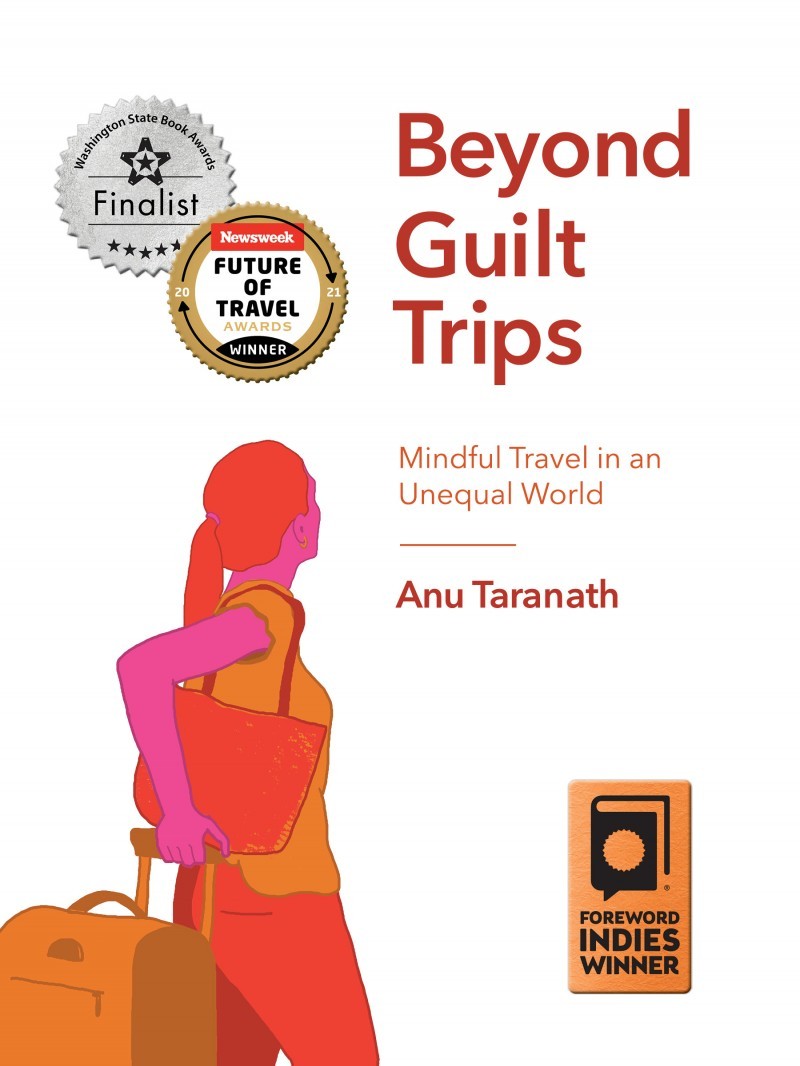
Beyond Guilt Trips: Mindful Travel in an Unequal World
Anu Taranath
Highly recommended for anyone interested in investing the time to unpack the complexities of justice, race, inequality, and privilege in the travel context. Though written with people studying and volunteering abroad in mind, this book is a treasure trove for anyone living abroad or simply traveling abroad — especially for longer periods of time and in places drastically different than their home countries.
BOOK
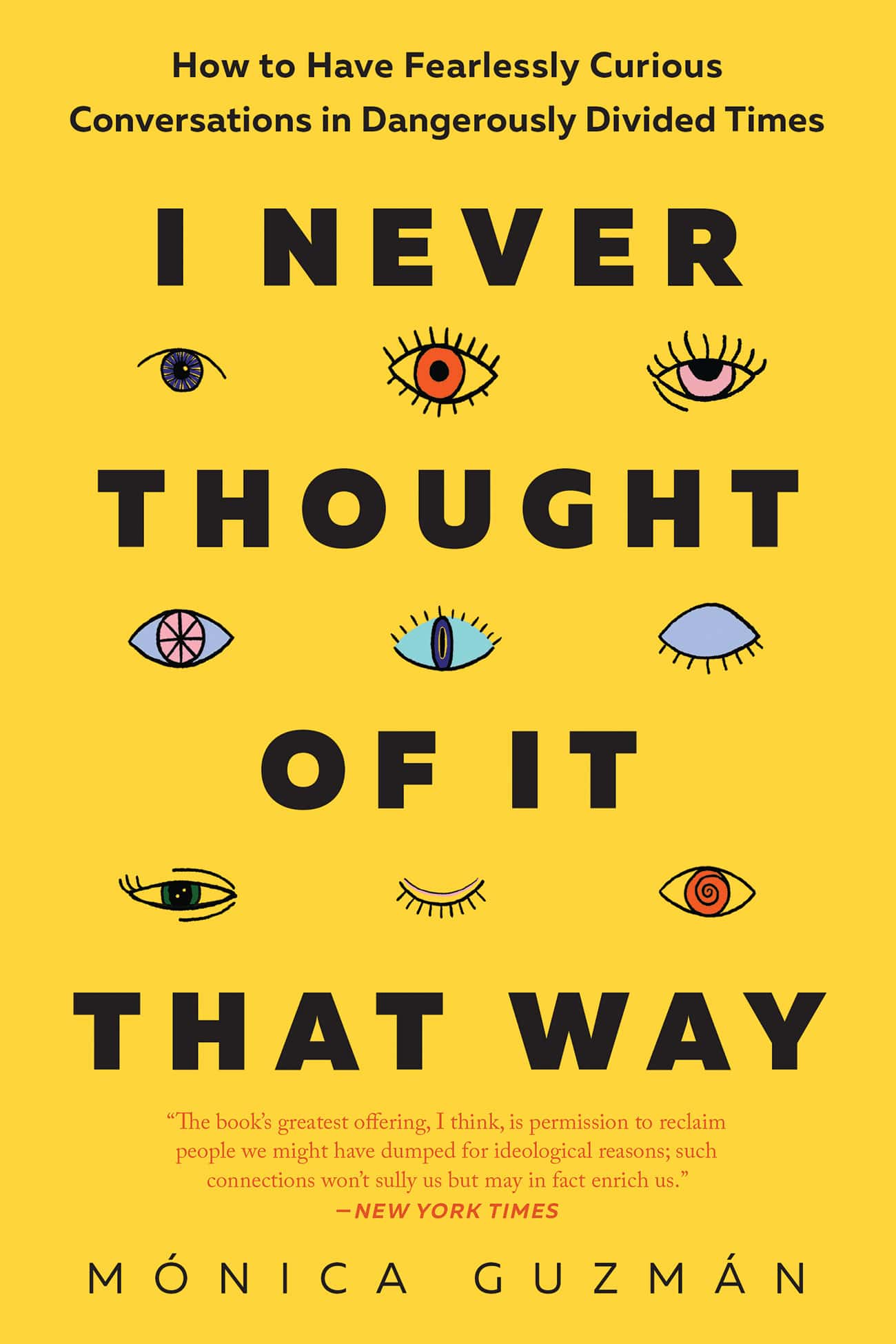
I Never Thought Of It That Way
Monica Guzmán
Guzmán provides actionable tips and ideas for when and how to approach conversations with people who have different opinions, perspectives, and lived experiences that result in different political leanings than we do — regardless of what side of the aisle you sit on.
GUIDE
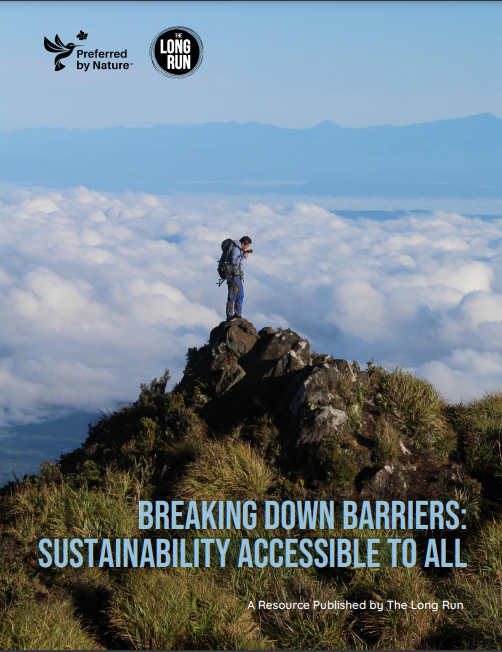
Breaking Down Barriers: Sustainability Accessible to All
The Long Run
A tourism-centric resource focused on all things sustainability. It contains easy access to dozens of other resources related to business planning, resource efficiency, decarbonization, collaboration networks, biodiversity, and more.

I especially appreciated the way this piece explores travel storytelling as a meaningful way to create connection and understanding across different experiences and places. The message beautifully illustrates how sharing personal journeys can preserve memorable moments while allowing readers to appreciate the people, cultures, and perspectives encountered along the way. The writing carries a warm and reflective tone, showing how authentic travel stories can move beyond simple descriptions of destinations and become meaningful expressions of personal growth and human connection. A beautifully written piece that celebrates the power of storytelling to bring people closer, broaden perspectives, and preserve the experiences that continue to shape us long after a journey has ended.